.png)
Why Is My Child Struggling to Focus? Understanding Attention Challenges
- Bali Bridging and Development

- Jun 21, 2025
- 2 min read

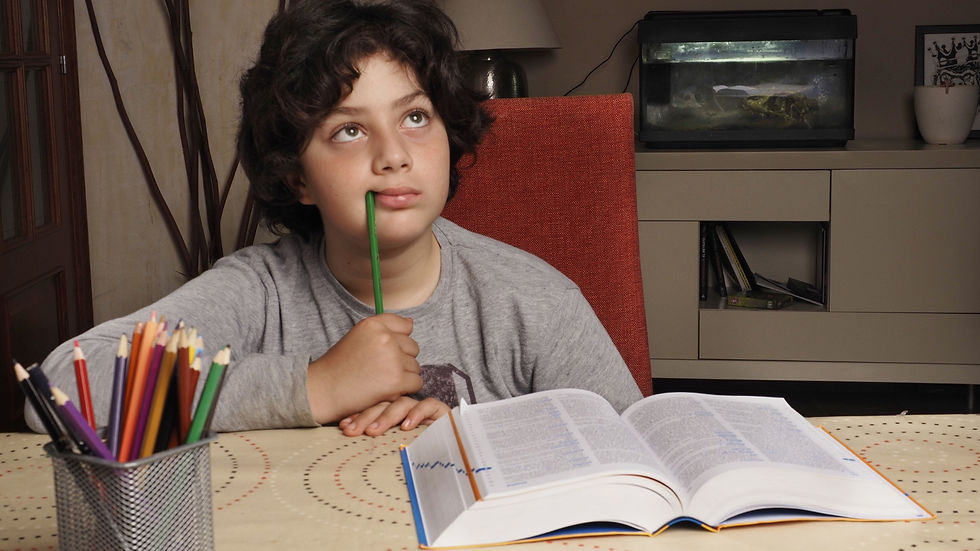
You may notice your child starting a task only to abandon it minutes later. Maybe their teacher says they’re easily distracted, or that they daydream when they should be working. As a parent, it can be difficult to tell whether this is normal restlessness or something that needs deeper attention.
Focus and attention challenges in children are common - and complex. For some kids, it’s a sign of a busy, curious mind. For others, it may point to differences in how their brain processes information or responds to stimulation.
So how can you tell the difference?
What Attention Challenges Can Look Like
Children who struggle with attention may:
Seem to “zone out” or lose track of instructions
Have trouble starting or finishing tasks
Be disorganised or forgetful in daily routines
Switch quickly from one activity to another
Struggle with listening, even when spoken to directly
Appear impulsive or hyperactive in certain settings
These behaviours aren’t always signs of a disorder—but they do suggest your child might benefit from additional support.
What Causes Attention Difficulties?
There isn’t one single cause. Attention challenges can stem from:
ADHD: One of the most common neurodevelopmental conditions, often affecting focus, impulse control, and organisation.
Sensory Processing Differences: Some children find it hard to filter out noise, light, or touch—making concentration difficult.
Learning Differences: Dyslexia, auditory processing disorder, or language delays can all affect a child’s ability to focus in a classroom.
Anxiety or Emotional Stress: Worries or big emotions can make it hard for a child to settle down and concentrate.
Even children without a diagnosis can struggle with attention due to developmental stages, environmental stressors, or mismatches in learning style.
How We Support Attention Challenges
At Bali Bridging & Development, we don’t treat children like a checklist of symptoms. We take time to understand what’s going on beneath the surface - through personal consultation and individualised planning.
Depending on your child’s needs, we may:
Design a personalised course with embedded focus strategies
Recommend sensory tools and environmental changes to support regulation
Work with teachers to adapt instructions or learning environments
Offer guidance and structure for home routines
Help you navigate formal assessment if needed
We also create flexible group or one-on-one courses, so your child receives support in a setting that suits them best.
“Executive function describes the brain’s skill at accessing and coordinating all of its functions toward goal‑oriented behavior… Without an effective conductor, the symphony will not produce good music.”
When to Reach Out
If your child’s attention challenges are affecting their learning, relationships, or confidence, it’s a good time to talk to someone. You don’t need a formal diagnosis to seek help - you just need the sense that something isn’t quite working.
We’re here to support you with calm, practical advice and personalised planning that meets your child where they are.


Comments