.png)
Is It Behaviour or Something Deeper? Understanding Emotional Regulation Challenges
- Bali Bridging and Development

- Jun 28, 2025
- 2 min read
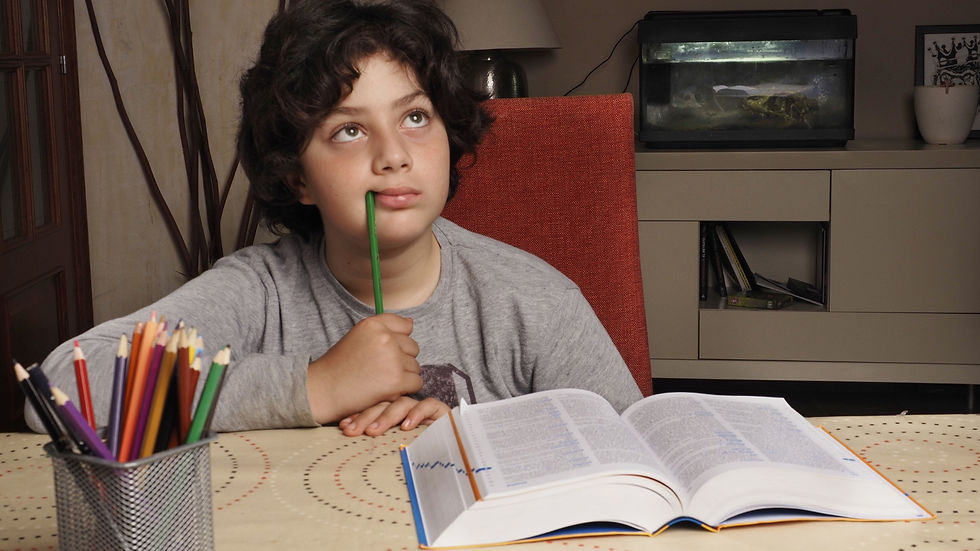
Most children have moments of big feelings - tears over the wrong socks, frustration at homework, or explosive reactions to seemingly small things. But when these moments start to affect a child’s daily life, school experience, or relationships, it may be time to take a closer look.
Emotional regulation is a child’s ability to manage and respond to feelings in a way that’s appropriate for the situation. It’s not about suppressing emotion but being able to move through frustration, anxiety, or disappointment without being completely overwhelmed by it.
What does emotional dysregulation look like?
Emotional regulation challenges don’t always look like anger. They can show up as:
Frequent meltdowns or tantrums beyond the toddler years
Anxiety and panic in everyday situations
Difficulty calming down after becoming upset
Outbursts that feel disproportionate to the trigger
Avoidance of tasks or environments that feel overwhelming
Self-critical or withdrawn behaviour after emotional incidents
In Bali, it’s common for families to feel unsure where to turn when a child struggles emotionally. Schools may label the behaviour as disruptive, or children might be misunderstood as simply ‘naughty’. But often, these behaviours are signs of a child trying - and struggling - to process what they’re feeling.
What causes these challenges?
Several factors can influence a child’s ability to regulate emotions:
Neurodiversity: Children with ADHD, ASD, or sensory processing challenges may find it harder to manage emotional input
Delayed development: Emotional maturity doesn’t always align with age
Trauma or change: Events like moving, bullying, or family stress can impact a child’s ability to cope
Environment: Overstimulating or unpredictable environments (like noisy classrooms) can make regulation harder
What helps?
The good news is emotional regulation can be supported and strengthened with the right tools. Here’s how we approach it through our courses at Bali Bridging and Development:
Identifying emotional triggers and building self-awareness
Introducing calming strategies and sensory tools
Supporting parents and educators with consistent responses and routines
Creating safe environments for children to practise managing emotion
Integrating emotion regulation into personalised learning plans
“A child’s inability to concentrate is often a sign that something deeper is going on — whether it’s anxiety, sensory overload, or simply a mismatch in learning style.”
— Dr. Nicole Beurkens, Licensed Clinical Psychologist & Nutritionist
What’s Next?
If your child’s focus challenges are starting to affect their confidence or learning, it’s worth talking to someone who can help you figure out what’s going on.
At Bali Bridging and Development, we offer personalised courses and support plans designed to meet your child’s individual needs - whether they’re struggling with attention, sensory overwhelm, or something you can’t quite put your finger on yet.
Get in touch for a personal consultation and let’s explore the right path forward for your child.


Comments