.png)
When Reading Feels Like a Struggle: Spotting Early Signs of Dyslexia
- Bali Bridging and Development

- May 17, 2025
- 3 min read

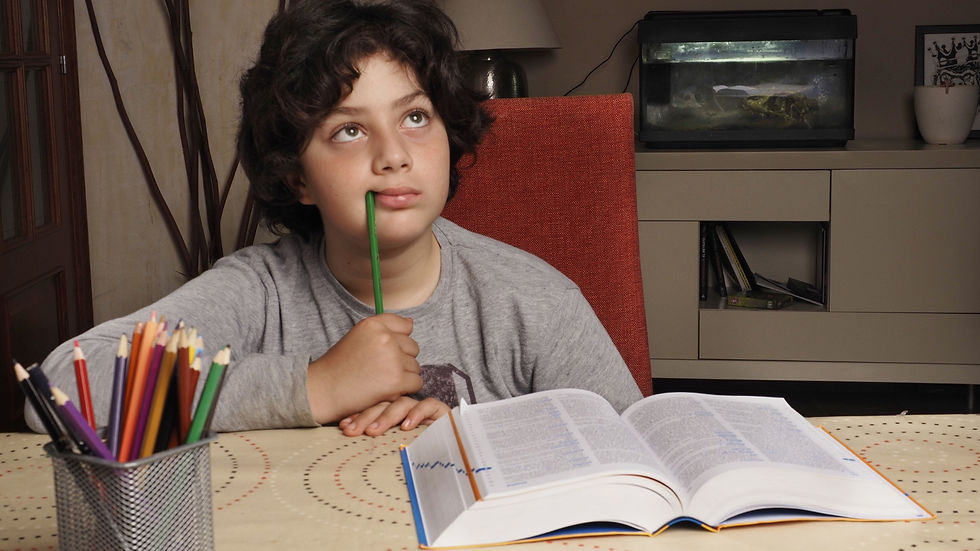
For some children, reading clicks into place like a puzzle. For others, it feels like the pieces never quite fit. If your child is bright and curious but consistently struggles with reading or spelling, it’s worth exploring whether dyslexia could be part of the picture.
This isn’t about labels - it’s about understanding how your child learns and finding the right way to support them.
What Is Dyslexia, Really?
Dyslexia is a language-based learning difference. It affects how the brain processes written and spoken words, particularly in areas linked to phonological awareness (recognising and working with sounds in spoken language), working memory, and processing speed. It's not a sign of low intelligence - many children with dyslexia are highly intelligent and creative thinkers.
While it's often associated with reading difficulties, dyslexia can also impact spelling, writing, memory, and even organisation.
What It Can Look Like in Everyday Life
Every child is different, but here are some real-world signs that could point to dyslexia, beyond the textbook definitions:
They confuse similar-looking letters, like b/d or p/q, even after lots of practice.
Reading aloud is slow and halting - your child may skip words or guess based on pictures.
They seem to forget common words they’ve just read or learned.
Spelling is inconsistent, even within the same piece of writing.
Homework takes much longer than it should and often leads to frustration or meltdowns.
They might say things like “I’m stupid” or “I hate reading,” even though they enjoy stories.
They have a strong verbal vocabulary but struggle to express themselves in writing.
Sometimes, parents notice these patterns before teachers do - especially in classrooms where students are expected to learn at the same pace. Trust your instincts.
Why Early Identification Matters
In many parts of the world, screening for dyslexia happens early. But in Bali, these kinds of formal assessments aren’t always accessible. That’s why observational clues at home can be so powerful. The earlier we understand how a child learns, the sooner we can tailor support that works for them.
Left unsupported, children with dyslexia often begin to internalise their challenges as failure, which can affect their confidence, motivation, and mental health. But with the right strategies, their entire experience at school, and at home, can shift.
What Support Can Look Like
At Bali Bridging and Development, we don’t wait for formal diagnoses to begin supporting children. If your child is showing signs of dyslexia or other reading challenges, we’ll work with you to:
Develop a personalised course plan based on your child’s unique learning profile
Recommend phonics-based reading tools and techniques that build confidence
Create visual and multi-sensory learning materials tailored to your child’s needs
Collaborate with schools or homeschool curriculums to ensure consistent support
Equip parents with simple, structured strategies for reading at home
We also offer small group sessions (up to five children) when appropriate - designed to foster peer encouragement and shared learning experiences.
What to Do If You’re Unsure
You don’t need to have all the answers. That’s what we’re here for. If you’ve noticed a pattern in your child’s reading difficulties - or even just a sense that something isn’t clicking - reach out.
We’ll begin with a personal consultation to understand your child’s needs and co-create a plan that supports both their learning and your peace of mind.


Comments